This week, REquipment Program Director Jen Baker received a call from a woman on the North Shore who needed a power wheelchair immediately.
The night before, she had gone out to dinner with a friend. While at the restaurant, she turned off her wheelchair. When she was ready to leave, she switched it back on, but there was no power.
Getting home was difficult. Most power wheelchairs weigh more than 150 pounds.
The next morning, she called her durable medical equipment provider for help. She was told it could take a week for someone to assess the chair. If it needed to be taken in for repairs, she could be without it for four to six months. A loaner chair might not be available.
Making matters worse, she was scheduled to start a new job in one week.
With no backup wheelchair and potentially months of waiting ahead, she contacted REquipment. Fortunately, we had a power wheelchair in our inventory that met most of her needs. If she could arrange pickup, she could have it in time to start her new job.
Her experience raises an important question: What would you do if the medical equipment you rely on suddenly stopped working?
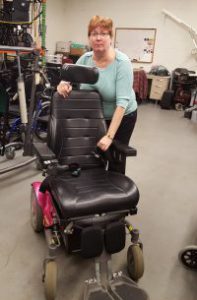
Without a backup wheelchair, someone could be confined to bed for days or weeks, increasing the risk of complications such as pressure injuries, blood clots, or pneumonia. Work, school, medical appointments, and everyday independence can also be disrupted.
If you rely on durable medical equipment, consider having a backup plan before an emergency happens. Browse REquipment’s available inventory and see whether suitable backup equipment is available.
REquipment provides free, gently used durable medical equipment, including wheelchairs, scooters, shower chairs, and other devices, to people living in Massachusetts.
You can also help keep people mobile by supporting REquipment. Donated power wheelchairs often need new batteries before they can be placed with someone who needs them, and financial contributions help cover those costs.